
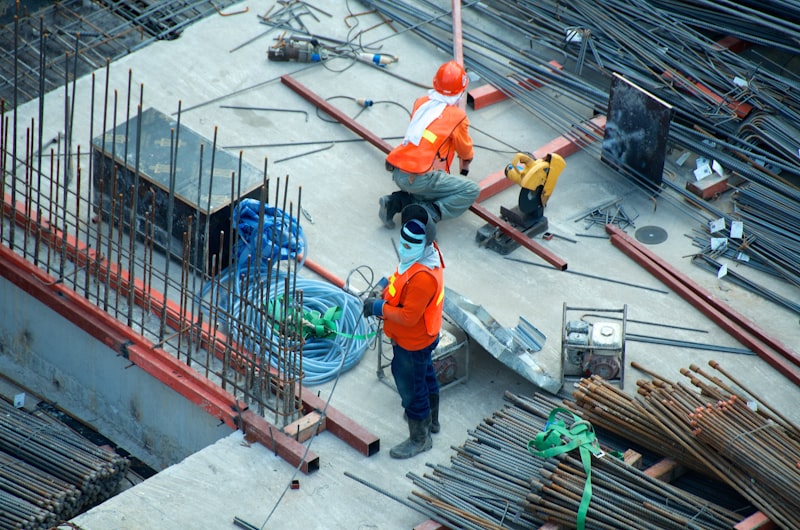
In construction, rubber profiles are used for sealing, protection, absorbing movement and providing a neat finish. Think of expansion joints, window and door constructions, panel edges, panels and other joints where a profile must perform reliably over the long term.
DG Rubber Profiles makes standard and custom rubber profiles for construction. With a large stock of existing moulds, there is a good chance that a suitable profile shape is already available. If a specific cross-section is needed, a new profile can be developed from a technical drawing, sample or dimensions.
Large stock of moulds
There is a good chance that a suitable profile shape is already available.
TPE, EPDM, neoprene and silicone
Material and Shore hardness tailored to the environment and function.
On a roll or cut to size
Rubber strips in various thicknesses and widths.
Response within 24 hours
In-house production in the Netherlands, from drawing to delivery.
What is the function of rubber profiles in construction?
In construction, rubber profiles absorb movement between structural parts, seal joints and connections, and protect panel edges. This allows building components to expand and shrink without creating unnecessary tension.
Which profile shape fits depends on the function. With an expansion joint, the emphasis is on absorbing movement and sealing. Around windows and doors, a good fit is what matters. Panel edges, panels and other structural parts often need protection and a neat finish.
Commonly used rubber profiles in construction
Joint profiles
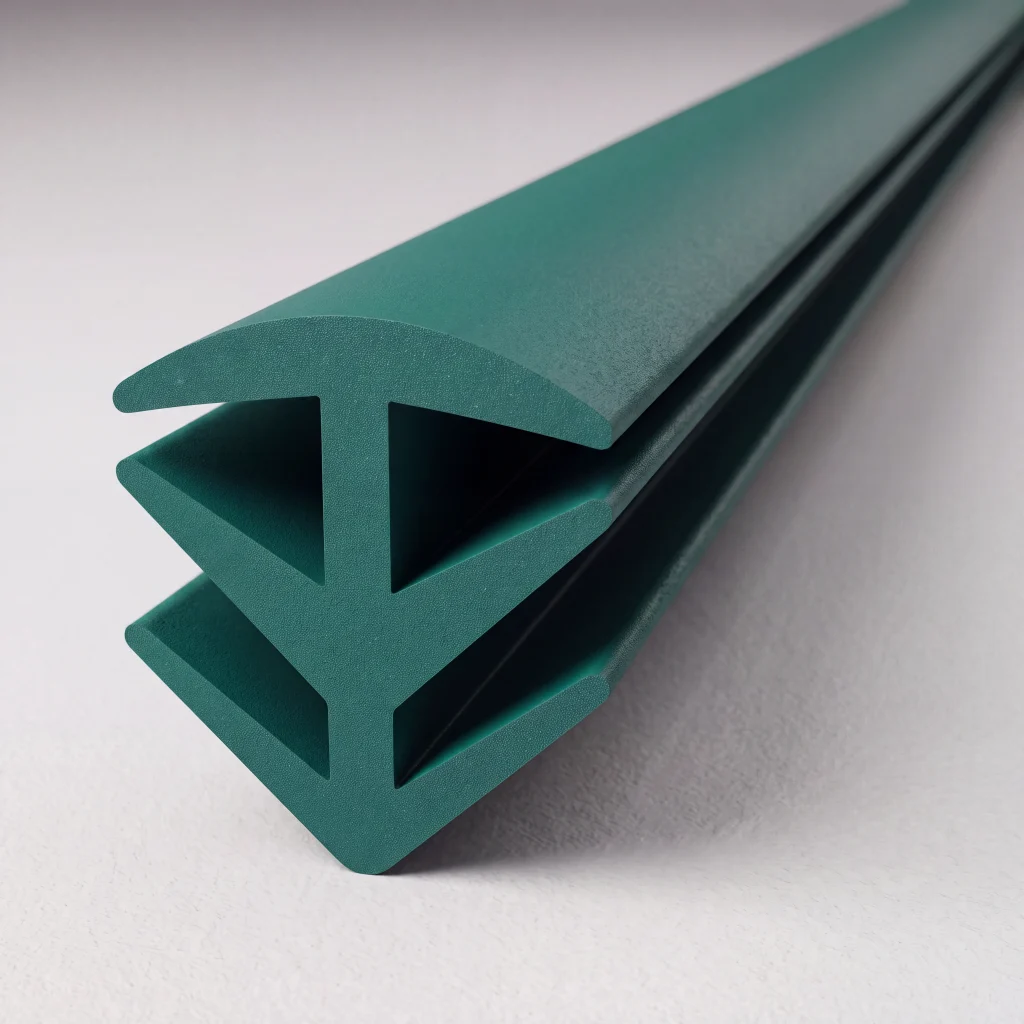
Joint profiles are used in expansion and movement joints. The profile helps absorb movement between structural parts and contributes to a lasting seal.
The shape, size and hardness are matched to the joint and the expected movement.
Clamping profiles
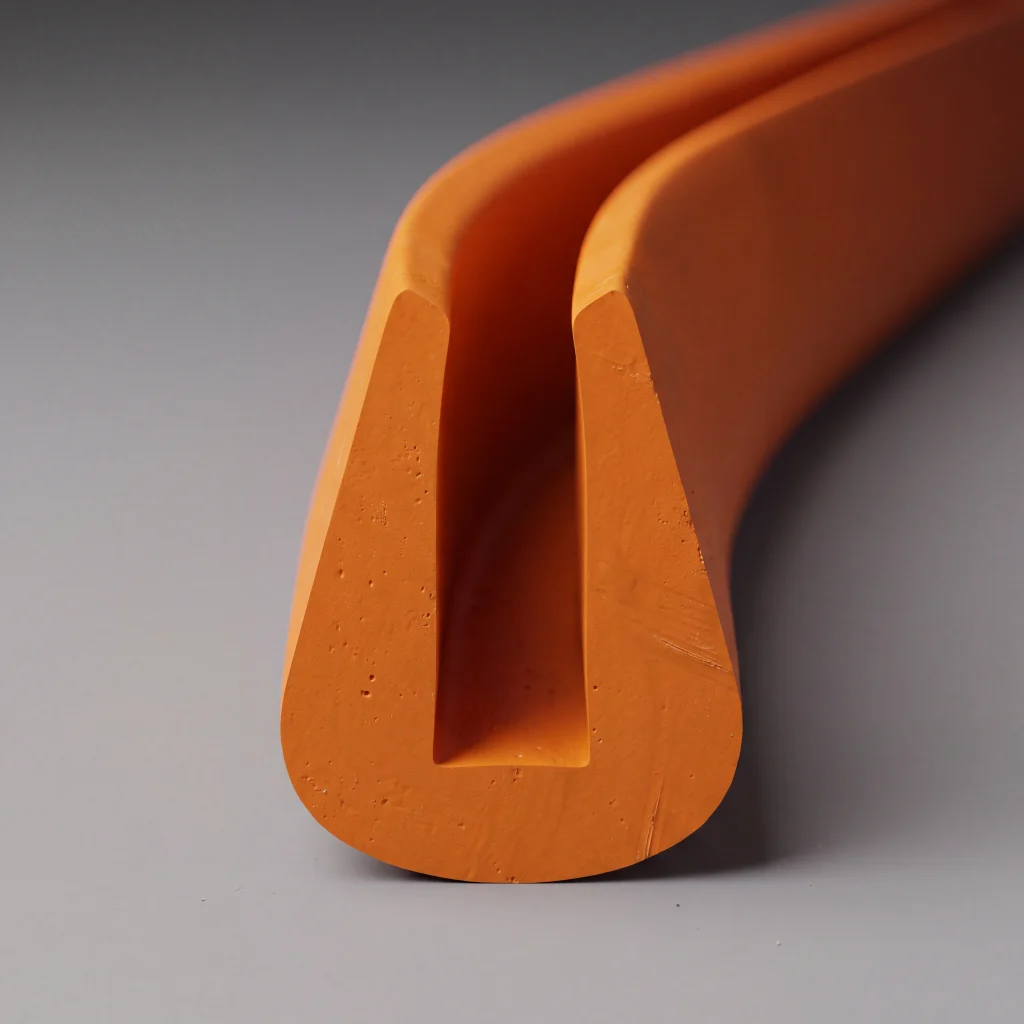
Clamping profiles are used for edge finishing and protecting panel edges, panels and other structural parts. The profile clamps around the existing edge, providing protection and a neat finish.
The internal dimension is matched to the thickness of the panel.
Rubber strips
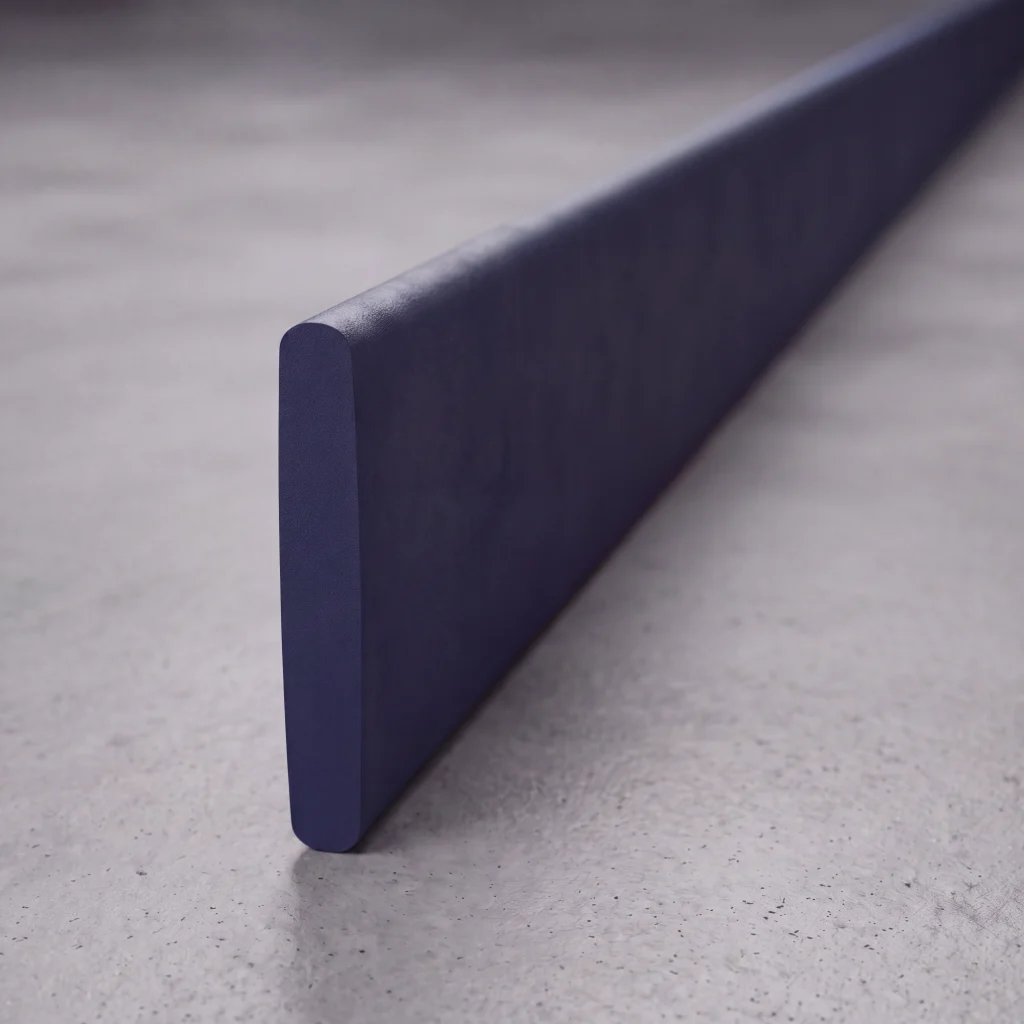
Rubber strips have many uses in construction. They serve as seals, packing strips, protective layers and for vibration isolation.
Various thicknesses and widths can be chosen depending on the application. The strips can be supplied on a roll or cut to size.
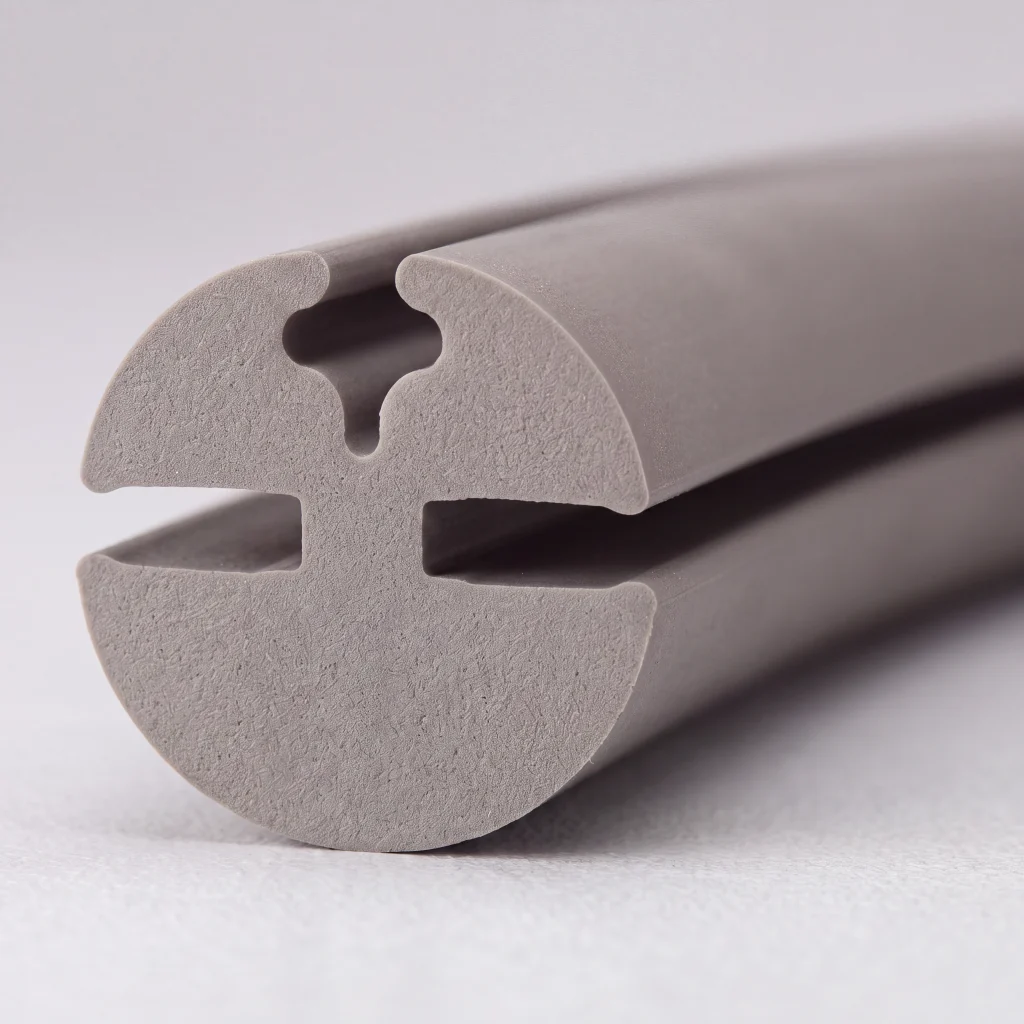
Window seals and sealing profiles
Windows, doors and frames need profiles that fit well and perform over the long term. Window seals and sealing profiles are used to seal joints and connect structural parts neatly.
For unusual dimensions or special constructions, a profile can be developed fully to measure. There are specific versions for aluminium, uPVC, steel and timber frames.
Custom rubber profiles for building projects
Not every construction application can be solved with a standard profile. Unusual joint sizes, specific panel thicknesses or special connections may require custom work.
A technical drawing, existing sample or clear dimensions provide the basis. We first check whether one of the existing moulds is suitable. If the desired cross-section is not among them, a new mould can be developed.
This takes into account the profile shape, dimensions, hardness, material and application. The result is a rubber solution that fits the construction, rather than a construction that has to be adapted to a standard profile.
Material choice for construction applications
Rubber profiles in construction can be exposed to sunlight, moisture, temperature changes and mechanical loads. Material choice and hardness must therefore suit the environment and function.
DG Rubber Profiles works with various materials, including TPE, EPDM, neoprene and silicone. TPE is used for various extruded profiles. The right material is determined by the technical requirements of the application.
The Shore hardness can also be tailored. A softer profile can deform more, making it suitable for sealing or absorbing movement. A harder profile offers more dimensional stability when protection or mechanical load matters more.
From building detail to rubber profile
- Application. An enquiry starts with information about the application. A technical drawing, photo, sample or dimensions give insight into the desired cross-section and size.
- Material and method. We then look at the material, hardness and production method.
- Mould check. Next we check whether an existing mould is available. If custom work is needed, a new profile shape is developed.
- Production and delivery. Once approved, production takes place in the Netherlands, followed by delivery in the agreed version and quantity.
Rubber profiles for various construction applications
In construction, rubber profiles are used at joints, panel edges, windows, doors, panels and other technical connections.
Joints
A joint profile can absorb movement between structural parts.
Panel edges and panels
Clamping profiles protect panel edges and panels.
Sealing and packing
Rubber strips can be used as seals or packing.
Windows and doors
Window seals provide a proper fit around windows and doors.
By looking at function and construction for each application, the solution need not be limited to a standard profile.
Why DG Rubber Profiles for building projects?
DG Rubber Profiles combines in-house production with a large stock of moulds and fully bespoke work. This means we can quickly check for many enquiries whether an existing profile shape is available.
If the right cross-section is missing, a new profile can be developed from a technical drawing or sample. We respond to enquiries within 24 hours.
Frequently asked questions about rubber profiles for construction
Which rubber profiles are used in construction?
Commonly used solutions are joint profiles, clamping profiles, rubber strips, window seals and sealing profiles. The right choice depends on the function, construction and load.
Can a rubber profile be made fully to measure?
Yes. A new profile can be developed from a technical drawing, existing sample or dimensions. We first check whether an existing mould is suitable.
Which materials are suitable for construction applications?
Material choice depends on the environment and function. DG Rubber Profiles works with TPE, EPDM, neoprene and silicone, among others. We look at which properties are needed for each application.
What is a joint profile?
A joint profile is a rubber profile fitted in an expansion or movement joint. It absorbs movement and expansion between structural parts and seals the joint, for example in floors, facades and bridges.
Enquire about rubber profiles for construction
Need a rubber profile for a building construction, joint, window, door or panel edge? A technical drawing, photo, dimensions or an existing profile provide a good basis for assessment.
DG Rubber Profiles will check which existing profile shape fits or develop a custom solution for the application.