
Two-piece fender strips
High-quality two-piece rubber fender strips for optimal protection and easy installation. Ideal for boats, quays and jetties.
About Two-piece fender strips
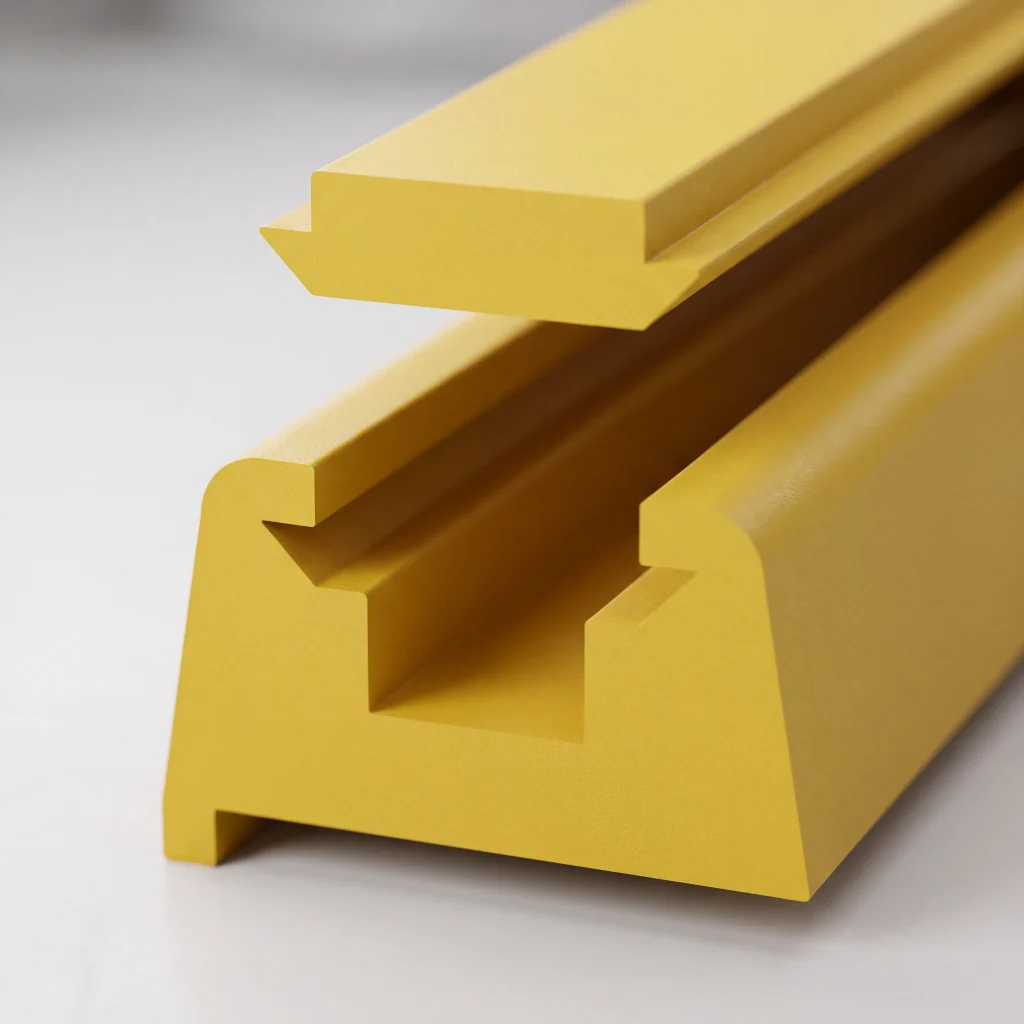
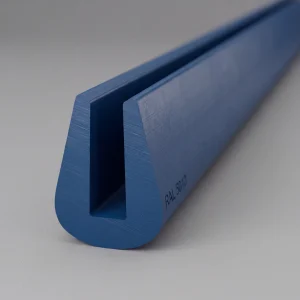
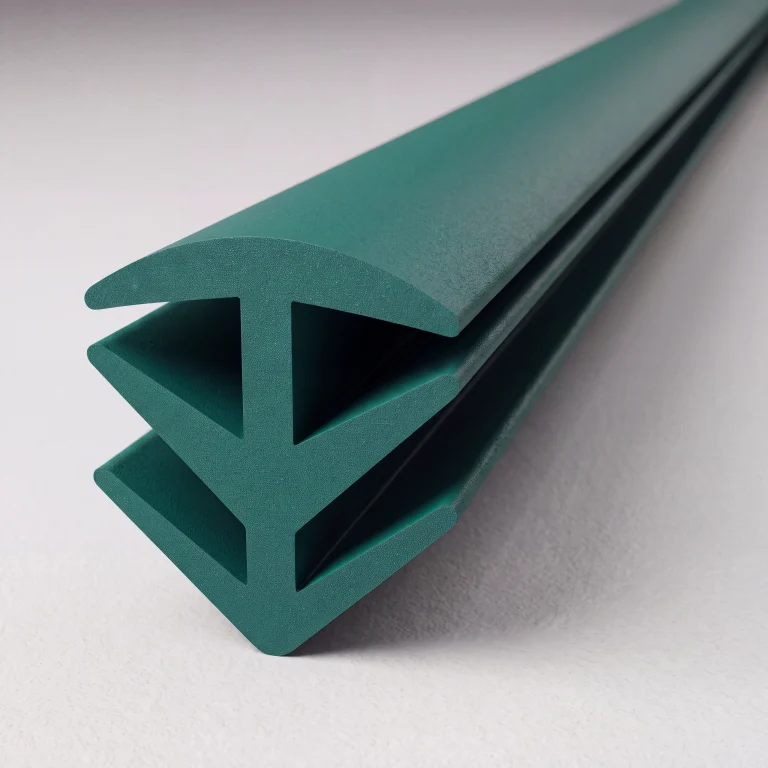
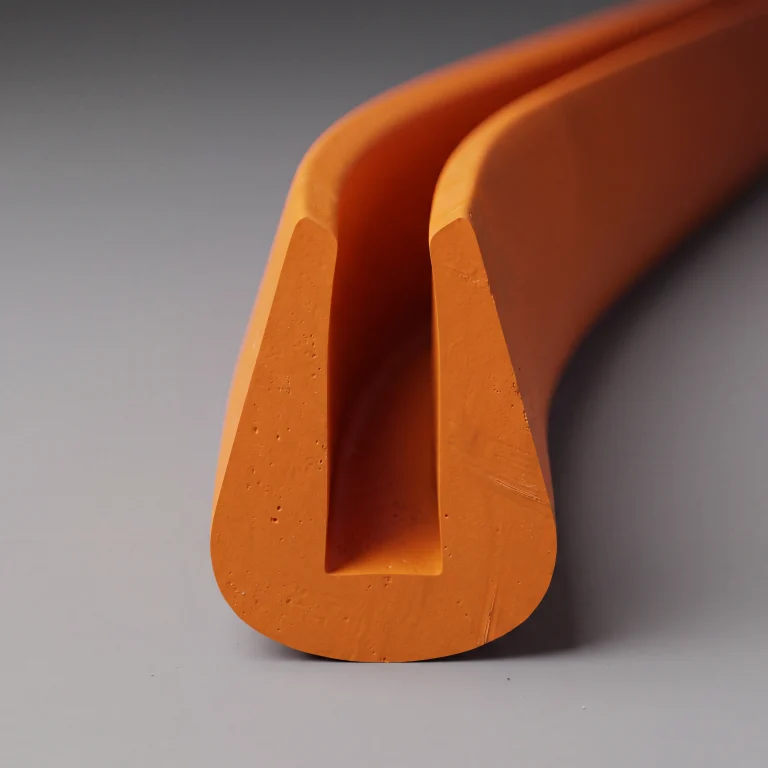
The two-piece fender strip from DG Rubber Profiles is specially designed for applications where high wear resistance and easy replacement are essential. The two-piece system consists of a base profile and a replaceable wear strip, so only the worn part needs replacing. This saves considerable cost and installation time.
Applications
Sectors
4400+ moulds available
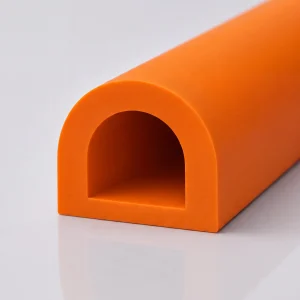
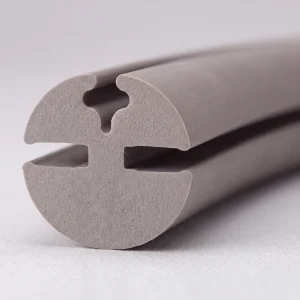
Thanks to our extensive stock of moulds, we deliver quickly without high tooling costs. Profile not listed? Then we make a new mould fully to measure, exactly to your drawing or sample.
Frequently asked questions about two-piece fender strips
What is a two-piece fender strip?
A two-piece fender strip consists of a base profile and a separate wear part. The base profile is fitted to the construction, after which the wear part is added to it. When wear occurs, you only need to replace the wear part in question rather than the whole strip.
What is the advantage of a two-piece fender strip over a standard strip?
Two-piece fender strips are used on boats, yachts, quays, landing stages, pontoons, floating jetties and other harbour constructions, among others. They protect the underlying construction from knocks, abrasion and wear.
What material are the two-piece fender strips made of?
DG Rubber Profiles makes these strips from TPE. This material is flexible, wear-resistant and stands up well to UV radiation, ozone and various weather conditions. That makes TPE very suitable for prolonged use outdoors and in marine applications.
Can a two-piece fender strip be used outdoors and in water?
Yes. The TPE profiles are suitable for applications where the material is exposed to the weather. The two-piece fender strips are used on boats, jetties, pontoons and harbour constructions, for example. The temperature range stated on the product page runs from minus 40 °C to plus 80 °C.
How is a two-piece fender strip fitted?
Depending on the profile and application, a fender strip can be fixed with screws or by bonding. The most suitable fitting method depends on the surface, load and construction, among other things.
Can I replace just the wear part of the fender strip?
Yes. That is precisely an important advantage of the two-piece system. When the outer wear part is damaged or worn, it can be replaced separately while the base profile stays in place.
Are two-piece fender strips available in different colours?
Yes. DG Rubber Profiles’ two-piece fender strips are available in any RAL colour. This allows the strip to be matched to the colour of the boat, jetty, construction or corporate identity.
Can a two-piece fender strip be made to measure?
Yes. DG Rubber Profiles makes custom rubber profiles and has more than 4,400 existing moulds. If the desired profile is not available, a new mould can be developed from a drawing or sample.
Which two-piece fender strip do I need for my application?
That depends on the construction, available space, desired dimensions, load and fitting method, among other things. For applications on boats, factors such as the hull shape and how you moor also play a part. DG Rubber Profiles can advise on the right version based on a drawing, dimensions, photo or existing profile.
Why is TPE used for a rubber fender strip?
TPE combines flexibility with wear resistance and stands up well to UV radiation, ozone and the weather. The material is also recyclable and contains no harmful plasticisers. This makes it suitable for fender strips used for long periods outdoors or in a marine environment.
Request a sample
You will receive a sample of approximately 10 cm.
It is sent in an envelope and fits through the letterbox.
Thank you! Your sample request has been received.
We will post your sample as soon as possible.
Contact us via +31 (0)321 74 40 42